Mold Remediation - Mold Removal | Philadelphia, PA | Pittsburgh, PA | New York, NY | Newark, NJ | Bridgeport, CT | Baltimore, MD | Scranton, PA & surrounding areas.

TruPro Remediation Services Group


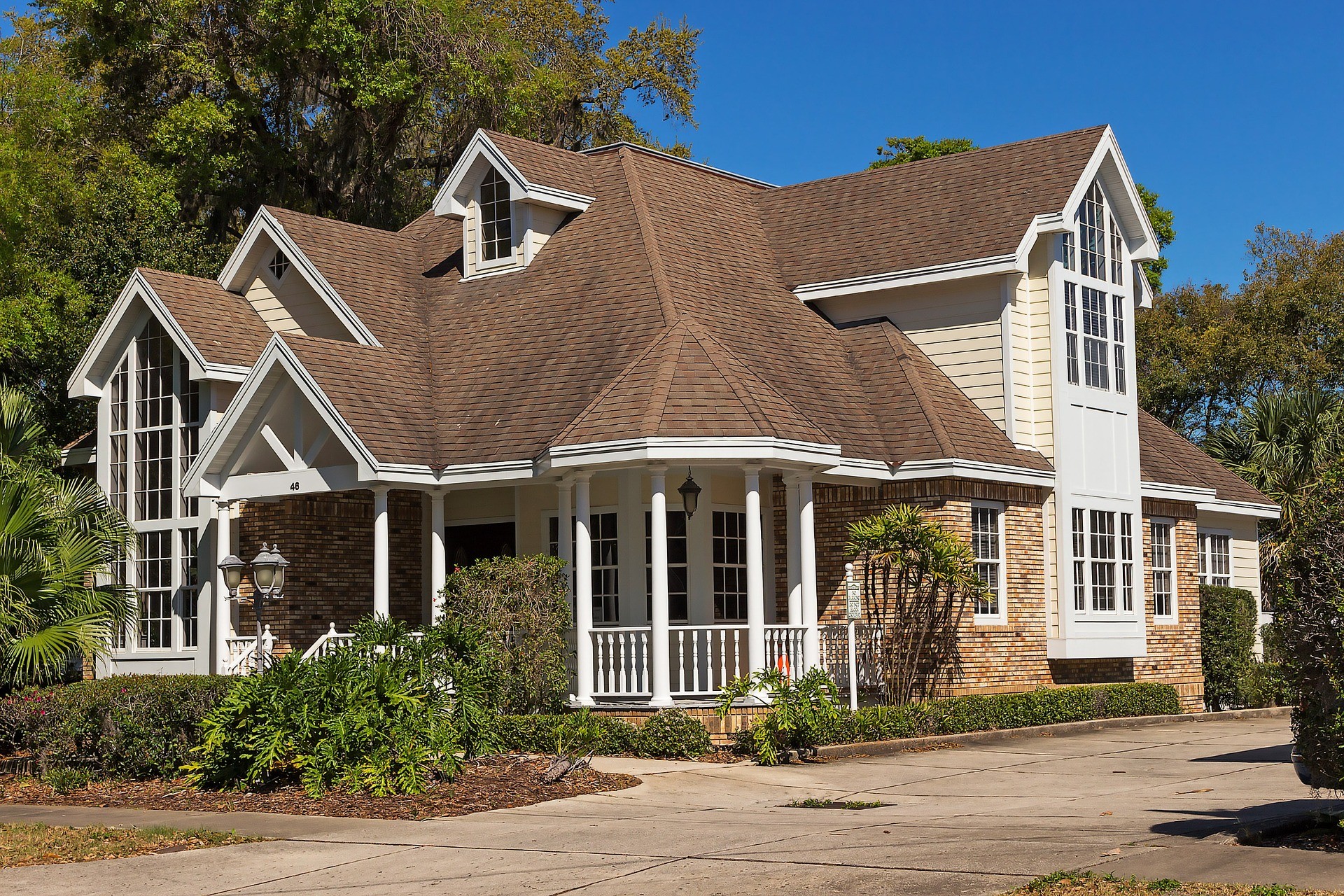
HOUSE

commercial building

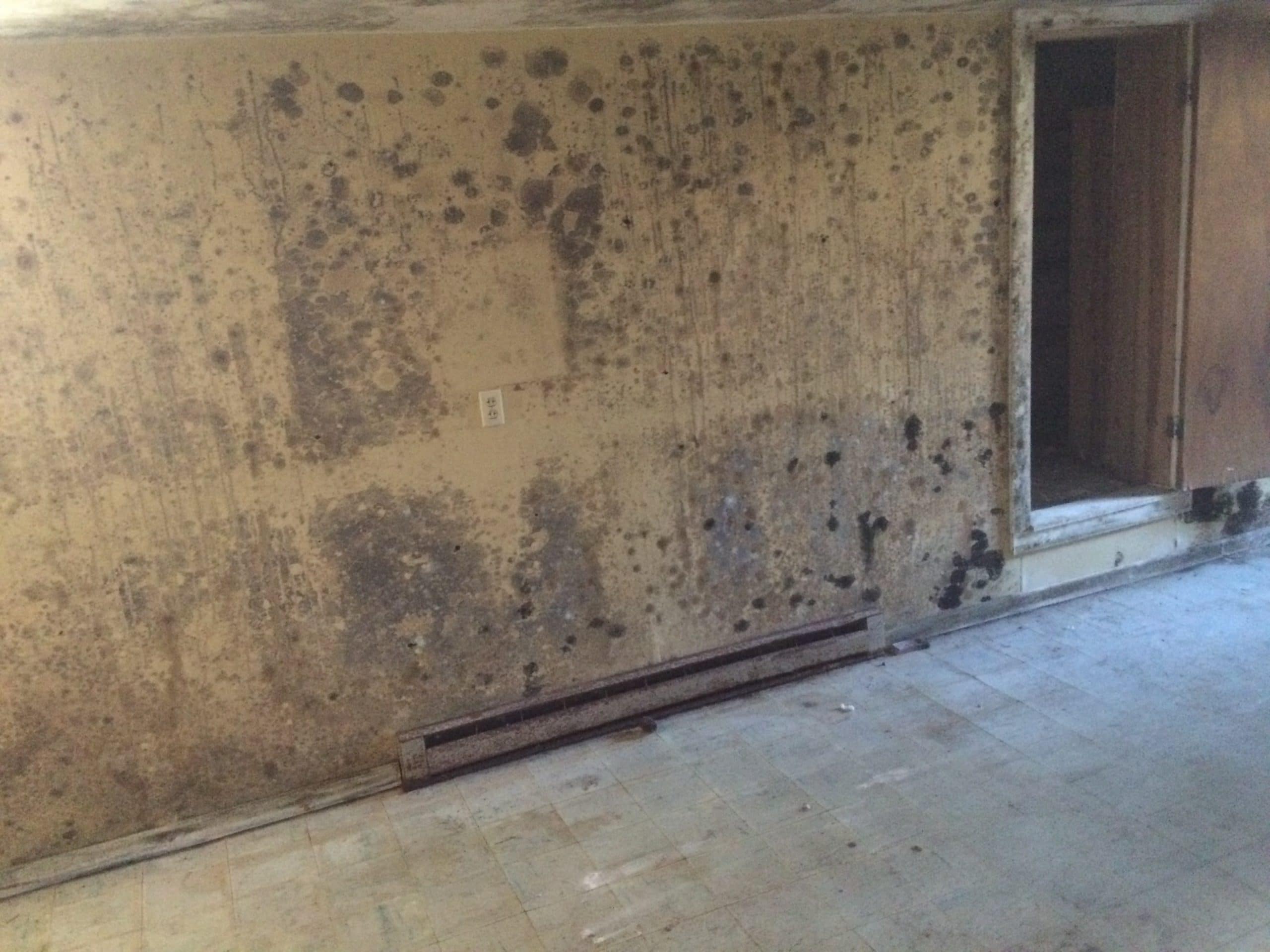
Mold Removal

The Goals of Mold Investigation

1) find the locations of mold growth
2) determine the sources of the cause of the mold growth.

Mold Remediation

Mold Testing

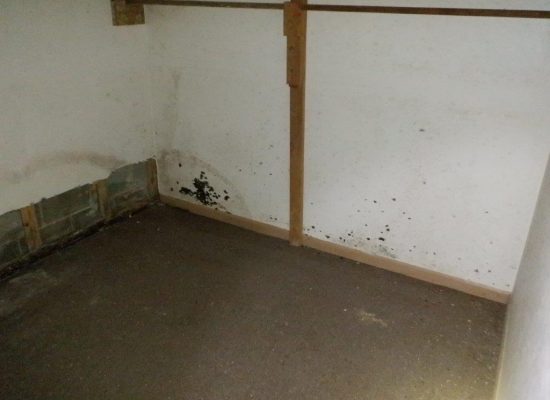
In most cases, a proper test should be conducted to find the extent or area(s) of contamination. Mold tests can be performed when fungus is seen growing within the structure or when growth is suspected but hidden.


The first step in an assessment is to assess the structure as a whole. Visual observations of the exterior grading, guttering and extensions, ventilation of the home, foundation areas, and the like are all taken into account. A visual inspection of the interior follows by inspecting the attic, windows, bathrooms, kitchen and interior foundation areas.


Once mold is found or suspected within a home, the inspector will further evaluate those areas. Using tools such as infrared meters, Hygrometers (relative humidity gauge), or moisture meters, the inspector can sometimes reconstruct how the mold grew.


These methods are considered to be non-intrusive and only give a general picture of the actual mold within the dwelling. Sometimes more intrusive methods are needed to assess the level of mold contamination. This would include moving furniture, lifting and/or removing carpets, checking behind wallpaper or paneling, checking in ventilation duct work, opening and exposing wall cavities, etc.


Careful detailed visual inspection and recognition of moldy odors are used to find problems needing correction. Efforts focus on areas where there are signs of liquid moisture or water vapor (humidity) or where moisture problems are suspected. The investigation aims to locate indoor mold growth to determine how to correct the moisture problem and remove contamination safely and effectively.


In most cases, a proper test should be conducted to find the extent or area(s) of contamination. Mold tests are usually requested when fungus is seen growing within the structure.


Mold testing can be very helpful when mold is suspected and not seen. Note that mold testing performed without a detailed site assessment can be misleading. Good testing properly represents the indoor air quality and surface environment of mold within the structure and is evaluated in the context of the site assessment. Testing can be misleading if conducted or reported improperly. Test Samples, both surface (swab, tape, carpet) and air (air-o-cell, micro-5, impaction) should always be compared to a baseline using the exact same type of sample. A baseline shows or represents what is normal for a given home or structure. There are other minor testing parameters, but generally speaking when the above is conducted a proper comparison can be made.


Post remediation testing is performed in order to verify that the remediation was completed successfully and is based on predetermined guidelines. In cases where remediation was performed in unoccupied space, such as attics and crawl spaces, cross-contamination post remediation testing is performed within the living space.


Our Services Include:

Areas we serve include Philadelphia, PA, Pittsburgh, PA, New York, NY, Newark, NJ, Bridgeport, CT, Baltimore, MD, Syracuse, NY, Trenton, NJ, Scranton, PA, and more.

Mold Remediation & Mold Removal | Philadelphia, PA | Pittsburgh, PA | New York, NY | Newark, NJ | Bridgeport, CT | Baltimore, MD | Scranton, PA & surrounding areas.